We Have Created A Generation Of British Students Scared Of Clapping

Trigger Warning
Trigger Warning


“They say cut back, we say fight back!” shouted the angry horde of LSE students, some wearing face masks as though expecting trouble, as they marched down London’s Kingsway earlier today in protest of tuition fees, austerity, UKIP and the usual shopping list of lefty student grievances. These young students – women and men – were loud and purposeful; they certainly didn’t seem like the kind of people who would wilt at the first sign of disagreement or confrontation.

110 miles northwest of this rabble, however, a very different group of students was gathering in Solihull for the National Union of Students Women’s Conference 2015. And at this gathering, the delegates were deemed so sensitive and vulnerable that the simple act of clapping was discouraged for fear that it would “trigger anxiety” among them:


This isn’t the first time that clapping has caused controversy on university campuses. In February, Spiked Online published a damning report detailing growing illiberalism at British universities:

Continue reading

Banning Hate Preachers Will Not Eradicate University Campus Extremism

Islamist Extremism University Campus Britain 1


Prohibiting extremist preachers from speaking on university campuses will not stop the radicalisation of impressionable young minds – and the ongoing coalition row between the Conservatives and Liberal Democrats shows the Tories at their authoritarian worst.

“Should these men be allowed in UK universities?” frets The Times of London, in a report which begins:

Radical and intolerant Islamist leaders preached to crowds of students at almost 200 official events in the past year, according to a study of external speakers at universities including Cambridge, Birmingham and University College London.

Segregated seating for male and female students is understood to have been implemented for at least a quarter of those public meetings held by the Islamic societies at 21 universities.

The issue of university campus extremism has been brought into sharp relief since it emerged that Mohammed Emwazi, or “Jihadi John”, may have been radicalised while studying at Westminster University in London. This revelation has led to renewed scrutiny of various Muslim student organisations, their invited speakers and their practices (such as segregated seating in some instances). And this scrutiny is often welcome.

But the government goes too far when it seeks to make universities responsible for enforcing the censorship of ideas deemed “extremist”, as the BBC reports:

Continue reading

Yes, Terrorism Is A Price Worth Paying For Liberty

Civil Liberties Government Surveillance Terrorism


When determining how society should deal with people who have committed the most heinous crimes, one does not turn to the victims or their surviving family members for advice. And if one were to be so rash as to base Britain’s penal system on the vengeful feelings of grieving parents, spouses and children, there would be gruesome public executions every day in every town up and down the length of Britain, from Land’s End to John O’Groats.

So while we may feel every sorrow in the world for those who have been the victim of dastardly terrorist attacks, why do we give such credence to terror victims when it comes to formulating our approach to national security and civil liberties? While human compassion dictates that we offer our utmost sympathy to those who have suffered, allowing ourselves to be manipulated into making sweeping and draconian decisions based on heart-wrenching personal testimony is no way to run a country – whether we are talking about the NHS or government snooping laws.

Those in the media who report on these subjects for a living should know this best of all. And yet large swathes of the British press have spent today tacitly attacking the campaigning groups who defend our civil liberties, simply because they refuse to display the grovelling, servile fearfulness that begs government to take as many of our freedoms as they want in return for the illusion of greater safety.

The Times print edition, in an article bearing the sub-headline “outcry over campaigners’ attack on state snooping”, reports:

Continue reading

Westminster Needs More MPs To Act Like Margaret Hodge

Margaret Hodge Parliament Public Accounts Committee 1


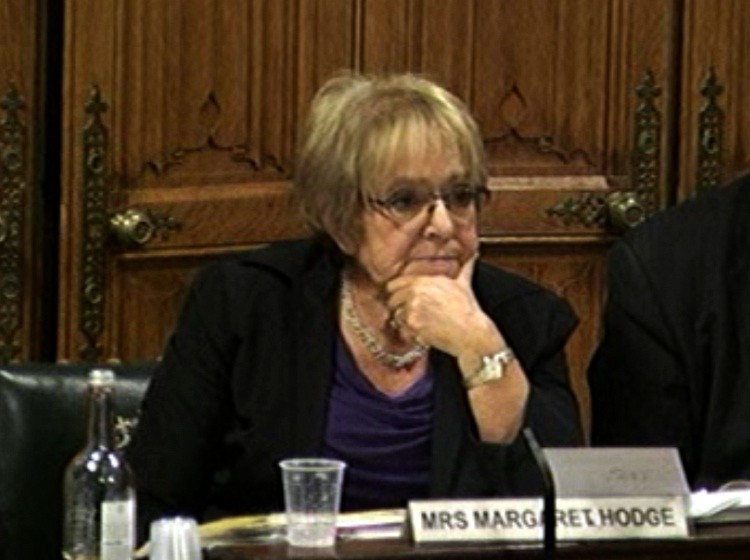
After Margaret Hodge MP humiliated HSBC’s top brass in a Public Accounts Committee hearing, some politicians and commentators would rather close ranks in defence of the establishment than support those who hold the powerful to account.

By at least one count, Margaret Hodge‘s tenure as chair of Parliament’s Public Accounts Committee has been a complete failure.

Back in 2011, in a speech to the Institute for Government, the MP for Barking outlined her vision of how the committee should conduct its business as Britain entered the age of austerity under the Conservative-LibDem coalition government. Among her priorities at that time – a less confrontational approach to witnesses:

In her speech (approximately 10 minutes into the above video), Margaret Hodge said:

Continue reading

Constitutional Reform Is The Elephant In The Room This Election Season

Constitutional Reform British General Election 2015


Conservative Home is currently running an important series on the three urgent political issues which are being pointedly and shamefully ignored by the main political parties in the run-up to the 2015 general election. These are identified as the constitution, national defence and the truth about spending reductions.

On constitutional reform in particular, ConHome is quite right to call attention to the lurking threat:

Yes, there’s plenty of speculation about what might happen in a hung Parliament, and who might form coalitions or pacts with whom.  But there has been no big debate to date about how we should be governed – what an English-votes-for-English-laws Commons would look like; what the knock-on effects on Scotland might be; what would happen to the Lords in consequence; how much devolution there should be in England (and elsewhere); what would replace the ECHR (if anything) were Britain to leave it; where an EU referendum fits into this picture; whether the UK will survive at all.

Will the UK survive at all? A sobering question to ponder, and yet when faced with these unresolved questions of national character, purpose and even survival, too often our politicians focus on the minutiae of daily life as they seek to either prey on our fears or appeal to our wallets.

This blog makes no apology for having singled out the Labour Party and Ed Miliband as the worst culprits as they seek to reduce the 2015 general election to a petty contest about public services, when Britain’s greatness is so much more than the sum of local government services and “our NHS”, here on the occasion of the Labour Party leader’s most recent relaunch:

Continue reading