Meet ‘Tessa’ – Labour’s Pop Star London Mayoral Candidate

Tessa Jowell - London Mayor - 1

Meet Labour’s Kylie Minogue

I’ve been getting all sorts of interesting correspondence since signing up as a Labour Party supporter last week in order to support Jeremy Corbyn and join the fightback against stale political centrism.

But by far the most amusing to date was a missive from Alan Johnson’s mailbot, desperately promoting his favoured choice for Labour’s London mayoral candidate. You could almost be forgiven for thinking that he had discovered a genuinely inspirational candidate, from the effusive sales pitch:

It starts with a look. Then a double take. Then a smile. A moment to work up the confidence and then they come over. Tessa cannot leave the house without meeting new people who want to say hello. I have seen this a hundred times, and believe me it’s not normal – no other politician inspires such warmth.

Tessa is a star. She is Labour’s Kylie – everyone loves her and she only needs a first name. She has a remarkable way with people that generates real affection. But that’s not why I’m backing her to be Mayor.

I backed Tessa right from the start because she has the right values to make London a fairer place to live. Through Sure Start and the Olympics she has a record of delivery that is second to none, and I know she can beat the Tories.

And today, I’m more sure than ever. But it’s not just because the opinion polls show she’s the only candidate who can beat the Tories – though they do and by a country mile. It’s because she has set out a genuinely compelling vision.

The “genuinely compelling vision” apparently was not so compelling that it made the main body of Alan Johnson’s email, but put that aside for a moment.

Continue reading

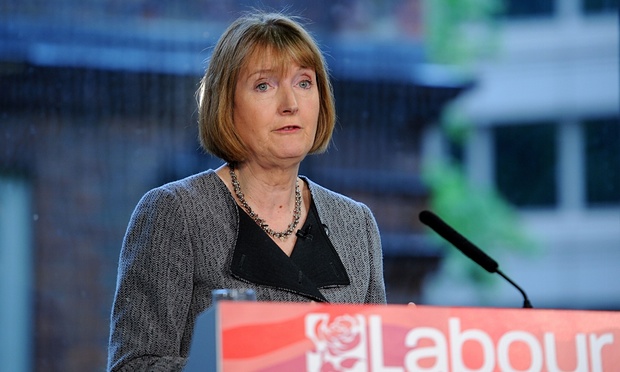
Harriet Harman, Celebrated Feminist, Calls Margaret Thatcher A ‘Witch’

Harriet Harman - Margaret Thatcher - Witch - Feminism - Sexism

Acting Labour Leader Harriet Harman gave a very revealing interview to the Guardian this weekend, looking back on her career as she prepares to return to the backbenches after serving in the party leadership since 2007.

Whilst one can – and should – strenuously disagree with Harman’s politics, no one can deny her role in the feminist movement or the trail she blazed by standing up to the horrifically sexist club that Parliament was when she was first elected in 1982. Given these accomplishments, it is a shame that she now ends her frontbench career presiding over a farcical leadership contest and the potential splitting of her party.

But the most memorable part was when Harman spoke about how terrified she was of then Prime Minister Margaret Thatcher that she actually hid round a corner in the Houses of Parliament in order to prevent the approaching prime minister meeting her newborn baby:

Couldn’t the then prime minister Margaret Thatcher have taken her [to the Strangers’ Bar in Parliament]? Harman recoils. She wouldn’t have dreamed of socialising with her, she says.

“Very early on, I brought in one of the babies to the Commons and I saw her at the other end of the corridor. She was bearing down on me with two adoring parliamentary private secretaries trotting at her side, and she looked as if she was going to come and admire the baby. I had this terrible feeling of thinking, ‘I don’t want her to look at the baby’, almost like one of those cartoons where the witch looks at the baby and the baby shrivels. I didn’t want my perfect baby to have Thatcher’s eyes upon him.” Did she hide her baby from Thatcher? “No, I just shot off down a side corridor. It was very visceral, very heartfelt.”

I’m not sure quite what Harriet Harman intended this little vignette to reveal about herself, but it speaks volumes about the way many in the Labour Party see themselves and view their conservative opponents.

Continue reading

Kids Company, And The Scam Of Government Funded Charities

Camila Batmanghelidjh - Kids Company - Charity

Kids Company founder Camila Batmanghelidjh – who reportedly had five personal assistants and turned her office into a palatial throne room with a tree in the centre – ran her organisation into the ground and dumped the thousands of young people who relied on the charity at the foot of the taxpayer. And yet even now, people are falling over themselves to say how great she is.

Douglas Murray gives it to Camila Batmanghelidjh, founder of defunct charity Kids Company, with both barrels in The Spectator today:

It has often occurred to me that if you wanted to perform any great con trick these days you could do no better than to have a hard to pronounce name, wear achingly ethnic clothing and cultivate a sort of ‘mother earth’ persona. The search for authenticity is such that before long every culturally embarrassed media and political creep would beat a path to your door, sit at your feet and hug you like a tree. In reality you would never need to do anything much because you’ve already ticked all the culturally correct boxes.

He’s right. Despite having made thousands of young people reliant on the services of Kids Company – and, through her own financial mismanagement and the negligence of her trustees, left them high and dry when the charity collapsed yesterday – most other commentators are still falling over themselves to praise Batmanghelidjh for her supposed pure-hearted, selfless altruism.

Here’s Fraser Nelson, balancing accurate and deserved criticism of Batmanghelidjh on the one hand, with the almost obligatory effusive praise on the other:

Continue reading

Where Is The Conservative Party’s Jeremy Corbyn?


Where is the Conservative Party’s Jeremy Corbyn? I don’t mean an ornery old relic from the 1970s with dubious facial hair – the Tories have plenty of those. But where is the charismatic Tory personality who – like Corbyn does for his supporters – makes their fellow conservatives walk a little taller?

Owen Jones is happy at the moment. Cheerfully, blissfully happy. Almost too happy for someone who only months ago felt trapped in a Thatcherite, “neo-liberal” dystopia ruled over by the faceless, unaccountable grey men of the Establishment. But what a difference a few months and a resounding election defeat makes. What a difference Jeremy Corbyn’s presence on the ballot makes.

Read or listen to Owen Jones now and the excitement is palpable. This is not Cleggmania revisited, where the former LibDem leader briefly surged in the 2010 general election campaign by simple virtue of sounding like a human being (in contrast to the wooden Gordon Brown and the plastic David Cameron).

Nick Clegg’s brief spell of popularity was based on style, on appearing like a decent bloke. But Jeremy Corbyn’s surge in the Labour leadership election is the product of style and content – of sounding authentic, but also refusing to draw from the same deck of centrist policies automatically adopted by nearly everyone else.

No wonder a generation of young people who came of age during the tyranny of Consensus Politics, when holding strong political beliefs and refusing to apologise for them mark a politician out as a heretic unfit for high office, are finally sitting up and taking notice.

Continue reading

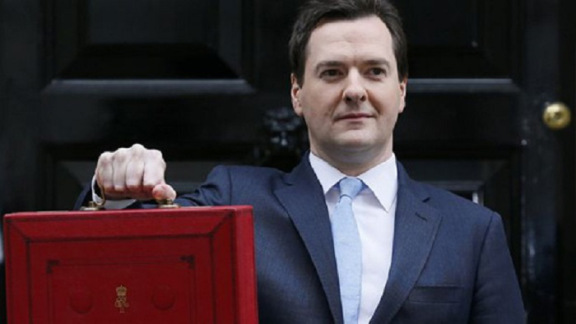
Our Long Term Economic Madness

George Osborne - Budget 2015 - Long Term Economic Plan - Fiscal Conservatism - Balanced Budget


By Ben Kelly, blogger and editor of The Sceptic Isle.

In May, the Conservative Party portrayed the election as a choice between Tory competence and Labour chaos; Labour’s spending and borrowing compared to the Conservative “long term economic plan”. The electorate made their choice and the current government received a mandate to cut the budget deficit and fix the economy.

Britain is now purportedly on the path to economic sanity, but you can be forgiven for having some moments of doubt. In the year 2015, after nearly six years of “austerity”, we will still spend £70 billion over budget. Should we redefine what the word “austerity” means?

The economic madness really began when Gordon Brown and Ed Balls implemented their plans for a high tax, high spend, much enlarged state with a continental-style economy. As we know only too well, it grew completely out of control.

The current government has the opportunity to reshape the British state permanently, and when ideas are floated about “thinking the unthinkable” and slashing budgets by 40% there is a flicker of hope that they might grasp it with both hands. Sadly, there is too much evidence to the contrary to believe anything serious is really being done to end the public spending spree and return to a sensible, sustainable fiscal situation.

Continue reading