Mhairi Black’s Overrated Maiden Speech


By most accounts, the SNP’s Mhairi Black – Britain’s youngest MP in several hundred years – gave a great and powerful maiden speech when she finally spoke during the Budget debate this week. And so it was, if you lower the bar for greatness so far that it encompasses earnest, occasionally witty, wide-eyed socialist babble.

Certainly many Labour MPs were enthusiastic, as the Guardian reported approvingly when the speech went viral:

In the anti-austerity speech where Black called herself “the only 20-year-old in the whole of the UK who the chancellor is prepared to help with housing” after the age limit imposed on housing benefit, she also called for a healing of relations with the Labour party.

“I have never been quiet in my assertion that it is the Labour party that left me, not the other way round,” she said in the speech where she also praised the lateLabour grandee Tony Benn. “I reach out a genuine hand of friendship that I can only hope will be taken. Ultimately people are needing a voice, people are needing help. Let’s give them it.”

Several Labour politicians seemed receptive to her call for cooperation. Praise for Black’s speech was tweeted and retweeted by Labour MPs including Tulip Siddiq, Diane Abbott and Sarah Champion, as well as Labour’s Madeleine Jennings, the parliamentary researcher for MP Stephen Kinnock.

This blog disagrees with almost everything that Mhairi Black believes in, but has no personal animosity toward the twenty-year-old parliamentarian. In many ways it is refreshing and long overdue for someone so young to be included in the makeup of parliament, especially at a time when government policy (and state largesse) so overwhelmingly favours older people, with their selfish attitudes and non-means tested benefits. It is only a pity that Mhairi Black doesn’t represent a serious political party but rather a group of zealous, moralising fantasists who would tear up a three hundred year old union in a fit of pique over ten years of Tory Lite rule. But so be it.

Continue reading

No, Jeremy Corbyn’s Labour Leadership Candidacy Is Not A Disaster


It’s encouraging to see the Telegraph’s Rupert Myers echo this blog’s view that the presence of Jeremy Corbyn in the Labour leadership contest is a good thing, and not the unmitigated disaster that conventional wisdom and repetitious Labourite talking heads continue to say it is.

From Myers’ column today:

A Corbyn victory would allow the free democratic choice not between two shades of middle, but between what could properly be definied as the left and the right. Angry voices calling for true, radical alternatives to capitalism would (we can pray) be silenced for a generation (or at least a few months) if Jeremy had the chance to present a bold, socialist agenda for Britain. Floating voters would have the opportunity not to pick between politicians with similar manifestos, but to decide a political battle waged in technicolour. The Corbyn ultimatum would bring the far left from out of the shadows of a Labour HQ intent on fussing about how to win elections, and test the rhetoric of a legion of angry young socialists against the wisdom of the electorate.

Voters like a real, solid, discernable choice. If Labour pick Jeremy Corbyn and Tom Watson to head their efforts between now and 2020, I predict a renaissance of political engagement. Rather than spend the next five years arguing about the threshold of tax allowances, we could argue the merits of state ownership of the railways, banks, fast food industry, and the Premier League.

Instead of bureaucratic tinkering with foreign aid, we’d be debating whether to drop our borders to allow the unrestricted movement of people. PMQs could be a discussion on how to cap pay to the level of tube drivers, to be set at £200,000 a year. New Labour might not like the image which emerges, but at least Corbyn would turn the contrast button up to full and then rip it off the set.

Absolutely. It’s long past time we had a proper political debate in this country again, instead of these interminable, finickity squabbles about negligible ideological differences.

Continue reading

The Curiously Brittle Bonds Of Left Wing Patriotism In Britain

EU - European Union - Flag - Cross - Eurosceptic - 2


People of all political stripes sometimes say things they don’t mean, or come to regret, in the heat of passionate argument, either out of anger or just for dramatic effect.

The Sun newspaper once famously warned the last person fleeing Britain in the event of a Labour election victory to “turn out the lights”. Every Labour Party campaign in living memory has warned voters that they had only “24 hours to save the NHS”, though somehow it never seems to disappear in the Tory years. Paddy Ashdown said he would eat his hat if the Liberal Democrats did as badly in the 2015 general election as the exit poll predicted (they did worse).

Meanwhile, across the Atlantic, angry liberals threatened to move to Canada when George W. Bush was re-elected, while social conservatives – high on passion but lacking in international awareness – responded to the Supreme Court’s ruling legalising gay marriage by themselves threatening to move to Canada, that well-known bastion of homophobia and social conservatism.

So rhetorical hyperbole is not restricted to any one political party or any one type of outlook or worldview. But there is a certain type of political argument to which those on the political Left seem to resort far more often than their opponents on the Right.

When faced with electoral defeat and years in political opposition, those of a conservative mindset tend to lick their wounds for awhile and then set about the business of trying to re-acquire power and influence, however angrily or unsuccessfully. However, when those of a left-wing mindset are faced with rule by the other side, they are far more likely to view the situation as intolerable to the extent that even remaining part of the same country or political structure becomes undesirable.

Continue reading

Meet Britain’s Compassionate, Homicidal Welfare System

Benefits Street - Welfare Trap - Britain


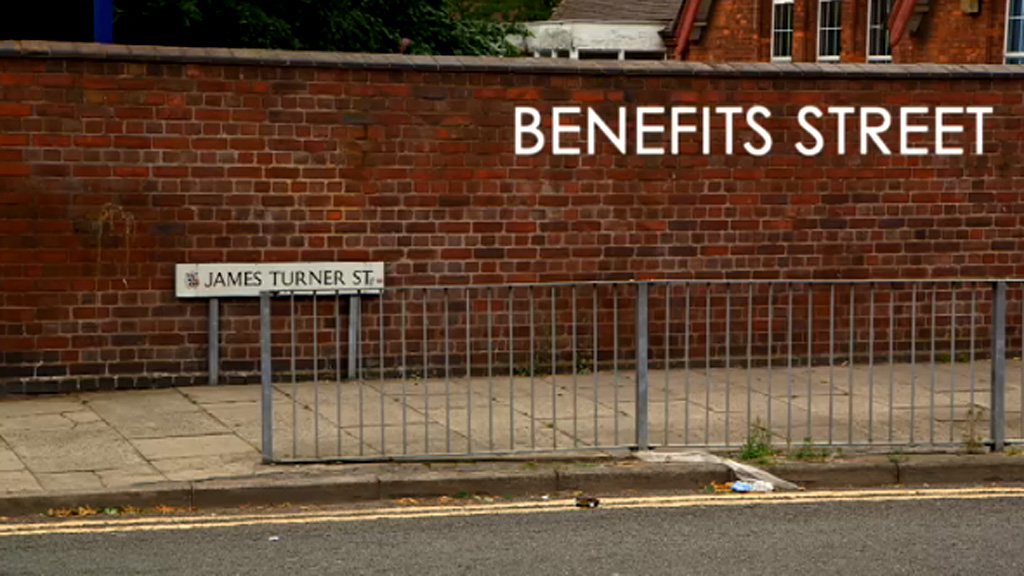
If you are even moderately well-off and suddenly fall on hard times, Britain’s universal welfare system isn’t like landing in a safety net – it’s more like smacking into a concrete floor from a fifty-foot drop.


People generally talk about the British welfare state as some kind of benign presence, maybe in need of a tweak here or there but basically something of which we can be justifiably proud – Britain’s post-war gift to humanity.

This story makes us feel good, so naturally most of us swallow it unquestioningly, nodding along when the NHS is worshipped in a theatrical Mass during the London Olympic Games opening ceremony, or when Just Another Identikit Politician drones on about the importance of “triple-locking” pensioner benefits.

Sadly, it’s all nonsense. The universal welfare state and its organising principle of non-contributory benefits has proven to be one of the greatest self-inflicted evils we have ever wrought in this country, a vast conveyor belt of human misery leading to an incessant grinding machine in which the lives and dreams of countless thousands of our fellow citizens are destroyed each year, while nearly everyone turns and looks the other way.

Usually it’s good when government does not discriminate. Justice, for example, should certainly be blind, as the old saying goes. But when it comes to social security, we choose to regard our welfare system as a “safety net”. Yet any fisherman knows that different nets are needed for different environments, and likewise a one-size-fits-all safety net for citizens experiencing unemployment or hard times simply won’t catch everybody. Some will slip through entirely and crash to the ground, while others will become ensnared and trapped forever. In other words, when it comes to welfare we should actually want the government to actively discriminate.

Continue reading

Why Jeremy Corbyn’s Labour Leadership Candidacy Matters

Jeremy Corbyn - Labour Leadership - Dan Hodges - Tories4JeremyCorbyn - 1

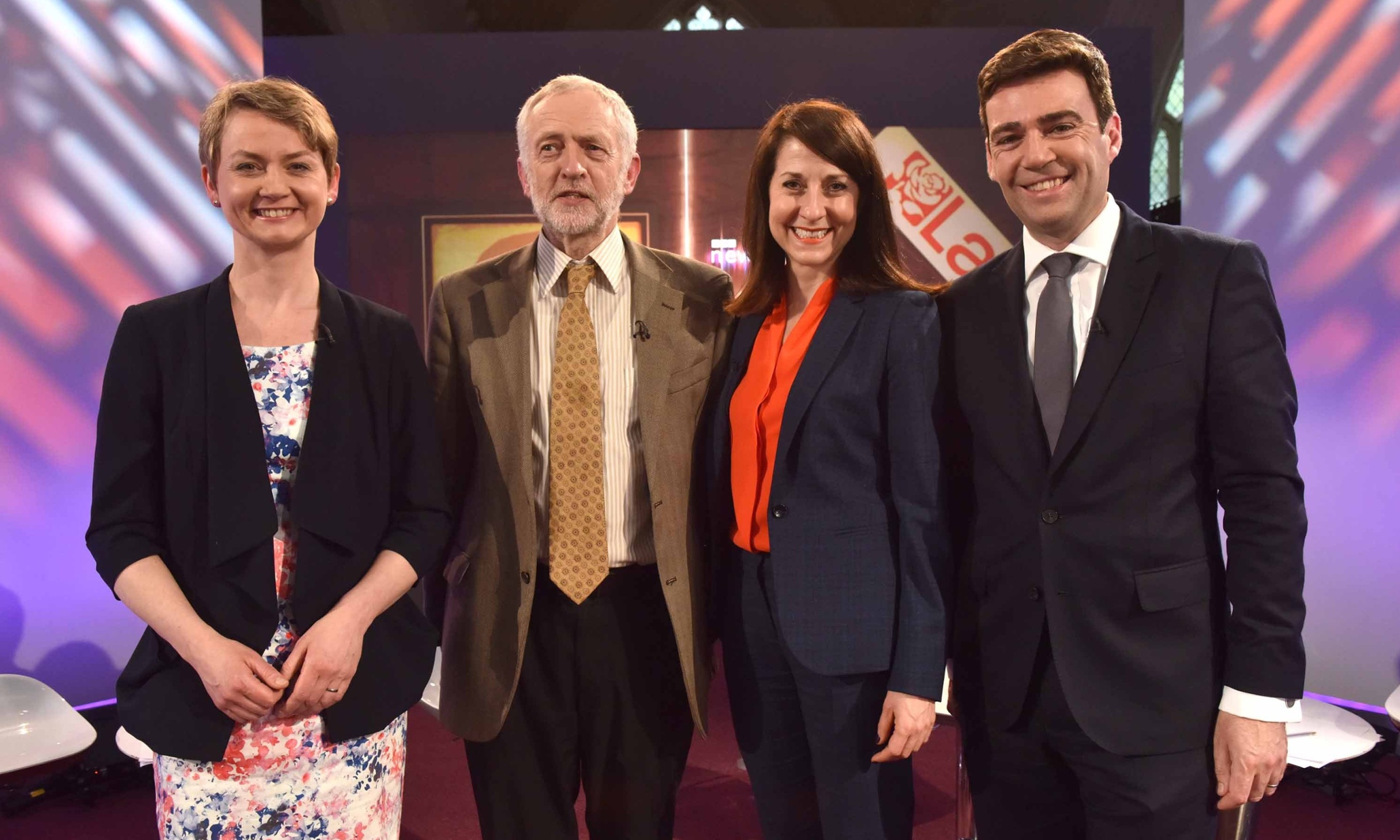
You don’t have to agree with Jeremy Corbyn to welcome his presence in the Labour leadership contest

It is a pity that the inclusion of Jeremy Corbyn in the Labour leadership race is pretty much only being discussed in the context of the growing #Tories4Corbyn movement.

CapX explains the phenomena:

Putting Corbyn on the ballot paper does have one unintended consequence, which is amusing the Conservatives greatly. Suddenly, there is great interest from senior Tories in helping Labour to elect Corbyn, because they think, rightly, that it would equal oblivion for Labour and a generation of Tory rule.

There is a practical way Tory voters can help, the Conservatives have realised. For just £3 anyone can sign up as a Labour supporter and a get a vote in the party’s leadership contest. On Twitter, Ruth Davidson, the Scottish Tory leader, has already described getting the chance to help make the completely unelectable Jeremy Corbyn Labour leader as a notable bargain.

This Tories4JeremyCorbyn movement could take off. How long before someone establishes a website and Twitter account explaining how Tory voters can win it for Jeremy?

This is all well and good, but it is also a distraction, the type of fun Westminster parlour games that the political class like to play to entertain themselves, leaving the vast majority of Britons either oblivious or turned off. Meddling in the other side’s leadership election might elicit smirks and chuckles in the Westminster Arms, but it hardly does anything to improve the reputation of a political class seen as totally cut off from the people.

Continue reading