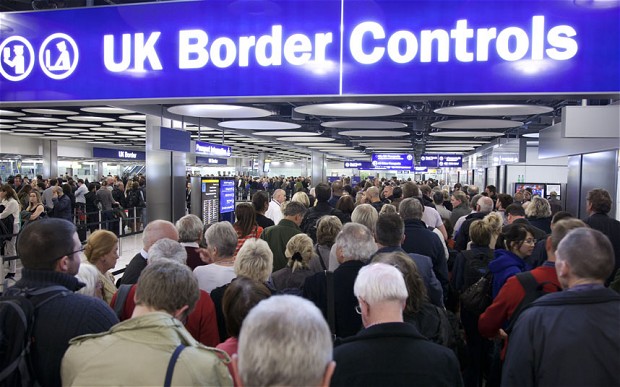
No, Greece Is Not The Word

Greece Syriza Alexis Tsipras


Syriza’s emphatic victory in the Greek general election last week has seen many British left wing politicians and commentators embark on a series of gruesome little personal victory laps, as though the outcome of a vote in that small Mediterranean country represents some kind of teaching moment for the sixth largest economy in the world.

These delusions have generally taken one of two forms: either the hubristic belief that Syriza’s electoral success somehow lays bare the inherent shortcomings of capitalism in general, or that the installation of Alexis Tsipras as Greece’s new prime minister represents some long-awaited turning point in the fortunes of the European political left. Both of these exercises in wishful thinking are just plain wrong.

The leftists just about have a point, so long as one is content to think very simplistically and superficially about an urgent, festering problem. This line of argument basically says “Austerity is bad, and now that a strongly anti-austerity party has achieved electoral success elsewhere in Europe, all of our arguments in favour of increasing government spending levels forever have been vindicated”.

There is no shortage of this pound shop pseudo-intellectual grandstanding on display at the moment, from many of the usual suspects in the Labour Party and their sympathisers in the media. The Times of London reports:

Continue reading

What Comes After Britain?

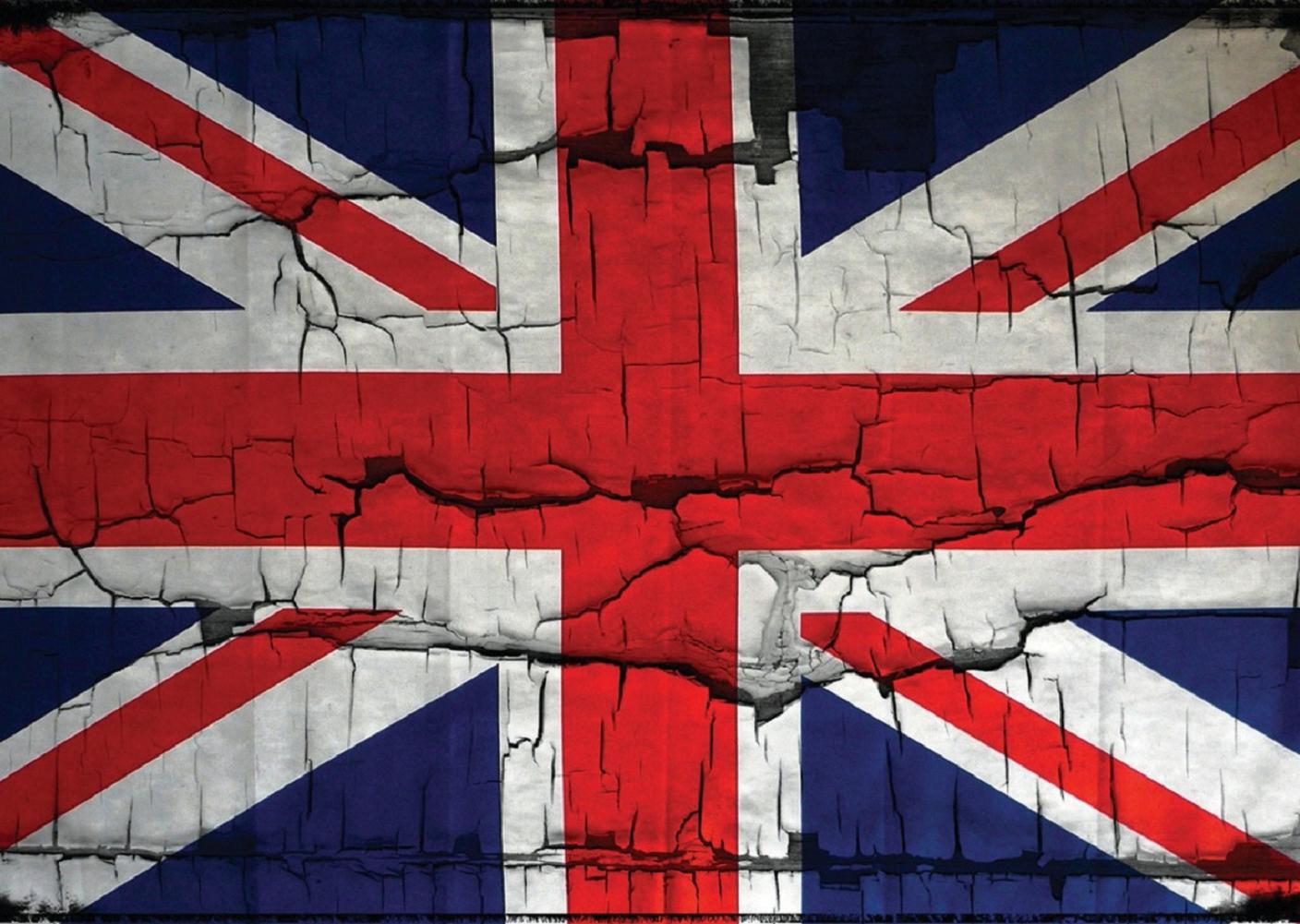
What comes after Britain broken union flag

Those who are eager to undermine the nation state should explain how they intend to preserve democracy once it is gone

I’m on the losing side of history.

I still believe that the nation state is a force for good, and that it remains the best repository and defender of our most fundamental rights and liberties. But I’m in a dwindling minority, and others have different ideas. Most things to do with the nation state are either being replaced, deconstructed or just becoming passé. I get funny looks if I say wouldn’t it be nice if we brought back the national anthem before sporting and other events, or if I write anything about “British exceptionalism”.

I know that all of these things are fading into the past, and I can make my peace with that. But for those who call themselves “progressive” and heartily embrace conceptions and institutions such as today’s vast European Union or total, unmanaged multiculturalism*, I have a question: do you really know what you are letting yourselves – and all of us – in for?

At the moment almost all of our rights are vested in and guarded by the nation state. But the nation state is under attack on all fronts – unlimited immigration within the EU, free trade, global capital flows, multinational corporations. I broadly agree with some of these trends, I often like them in principle and even personally benefit from most of them; but they are all gradually undermining the nation state.

Continue reading

We Can’t Have An Honest Discussion About Immigration Unless We Actually Listen To Each Other

Immigration Debate UKIP Cover Ears Dan Hodges Samuel Hooper SPS


It has become fashionable of late to say that it’s high time  we had a frank, open and honest discussion about immigration.

Never mind that this empty platitude is primarily uttered by the same demagogues who owe their political or media careers to either whipping up excessive fears on the subject, or  sweeping it under the rug while smearing dissenters with the toxic charge of racism; that particular irony, though amusing, is beside the point. Zealots on both sides have come to realise that there is political capital to be made in positioning oneself as the straight-talking voice of reason, and pulling off that particular deception in the eyes of the voters requires going on the record saying how terribly important it is that we talk honestly about immigration.

Even casual followers of the news cycle will notice that the most strident calls for this long-awaited symposium on immigration funnily enough happen to coincide with each advance in the polls made by UKIP, or with every time that Nigel Farage contrives to leave the legacy party leaders looking impotent, or worse still, in active collusion with one another. This has led to accusations of cynicism – they’re only calling for a discussion about immigration now because UKIP are breathing down their necks, comes the predictable refrain. But in fact we have been holding a reasonably thorough and robust conversation about immigration for some time now – or, to be more precise, we have all been talking a lot about the subject. Where we have consistently fallen short, though, is the listening part, without which a truly meaningful conversation can never take place.

Continue reading

Everyone Is Still Fudging The Truth On Immigration

Britain Immigration EU


The Telegraph’s Morning Briefing email, produced by Stephen Bush, always provides a good summary  of the day’s political highlights, but today one story in particular stands out. Riffing on the old complaint “They come here, they take our jobs”, Bush cites several articles citing a UCL study which point out that EU migrants actually made a net contribution to the British economy when tax contributions and welfare claims are compared, joking “Coming over here, adding £20bn to our GDP…”

Predictably, the newspapers immediately fall into their partisan groupings to spin the news. From the Morning Briefing summary:

“£120bn cost of Labour’s policy on immigration” is our splash. “UK gains £20bn from EU migrants” sayeth the Guardian. “EU migrants add £2obn to the economy in a decade” cheers the Indy.  A study running by two leading migration experts at UCL has thrown further light on the costs and benefits of migration. Migrants from within the EU contribute £20 billion to the British economy, with immigrants from the original 15 EU countries contributing 64% more to the Exchequer than they took out in services and migrants from eastern Europe added 12% more than they took out.

It would be hard to concoct a sample of headlines and statistics that did more to obfuscate and confuse an important political issue, even if you tried. And that’s no criticism of Morning Briefing – it has faithfully published a representative sample of the UK print media’s coverage of an important political issue.

Continue reading

The Establishment Are Still No Closer To Understanding UKIP Voters


What does a political party have to do to get some respect in Westminster?

On Monday, UKIP’s first Member of Parliament took his seat in the House of Commons.

The party of gadflies, cranks, loonies, fruitcakes, closet racists and loons had just equalled the Green Party in finally securing representation in the Commons, with every chance of doubling the Greens’ achievement if Mark Reckless wins his by-election in Rochester and Strood, and joins Douglas Carswell MP  in the UKIP caucus.

But two Conservative defections and worrying polling data indicating Labour’s vulnerability to the UKIP insurgency still have not resulted in any real change in tone or policy from either of the main political parties – though, in their most generous concession so far, some of their more nervous MPs now talk about the need to talk UKIP’s language while still doing what they’ve always done.

Continue reading