Cameron’s Cowardice Is A Betrayal Of British Conservatism

2015 general election britain leaders debate


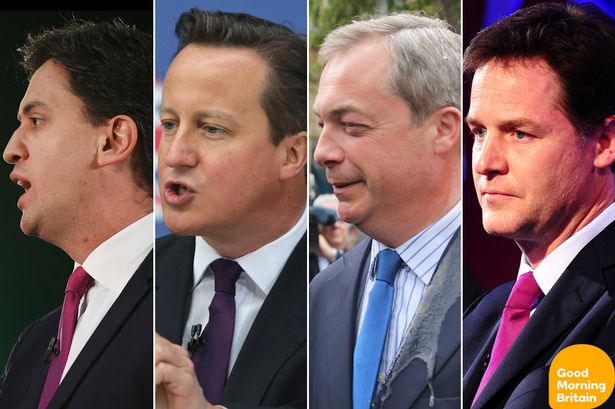
David Cameron and the Conservative campaign team believe that their record in government and 2015 manifesto will not withstand the scrutiny of a televised debate with  Ed Miliband. If they have so little faith in the appeal of conservative policies, why should we have faith in them?

When your estimated share of the vote hovers around the mid thirties and the opinion polls predict another hung parliament, a serious political party at ease with itself simply cannot afford to be risk averse. And yet that is precisely what both Ed Miliband and David Cameron are doing – the former by pursuing his 35% core vote strategy and the Prime Minister by throwing up as many obstacles as possible between himself and the prospect of taking part in the televised leaders’ debates.

The Guardian shows with one pertinent example why the debates, though a new tradition in British politics, have become an important part of our democratic process:

There is a broader and important point about the accountability of politicians. Tony Blair, ever the showman, held monthly press conferences in an attempt to explain himself. Sometimes, if the timing was right, these events were a very difficult hour for the prime minister. Gordon Brown broadly continued the tradition. Cameron abolished them. He remains available for the occasional newspaper interview with a friendly proprietor and, at conference time, finds time for a 20-minute breakfast inquisition. But his favourite forum is Good Morning Britain, a revealing discussion with a woman’s magazine about his cooking prowess or three questions on regional radio interspersed with a Barry Manilow song.

And Janet Daley, writing in The Telegraph, explains why Cameron’s latest dodge may be a political miscalculation:

Continue reading

Michael Sheen Does Politics: So Right, And Yet So Wrong

Michael Sheen British Politics NHS Healthcare 2015 Election


Michael Sheen was 100% right in his criticism of politicians lacking in conviction, but his sycophantic Aneurin Bevan worship and NHS fetishisation is the wrong prescription for Britain.

The British left has found itself a new saviour.

First came Owen Jones, rightly excoriating us for sneering at “chavs” while ignoring the failed policies through which we create and maintain a permanent underclass in Britain. “Our Generation’s Orwell”, as he was prematurely anointed by Russell Brand, offered us a rose-tinted stroll back to 1970s industrial strife and national decline.

But Owen Jones only baptises with water; Michael Sheen burst onto the political scene yesterday to anoint us with the Holy Spirit. That is, he sought to rally us around our true national religion, the National Health Service.

The actor Michael Sheen is best known for playing the role of Tony Blair on film and television (though he is far more entertaining as the character Wesley Snipes in NBC comedy 30 Rock). But he is now being praised to the rafters for this impassioned critique of our modern politicians at a St. David’s Day event to celebrate (or borderline worship) the life of Aneurin Bevan, founder of the NHS:

Continue reading

UKIP: The First 100 Days

UKIP The First 100 Days


If the Allegretto from Beethoven’s Symphony No. 7 starts to play in the background of the film or television programme you are watching, you can bet good money that something sad, terrible or otherwise wrenchingly significant is about to happen, if it isn’t already unfolding on screen.

What better piece of music to choose, then, when crafting the soundtrack for the scene in your fake documentary where a future UKIP government MP takes the stage at a conference to announce Britain’s tough new immigration policy?

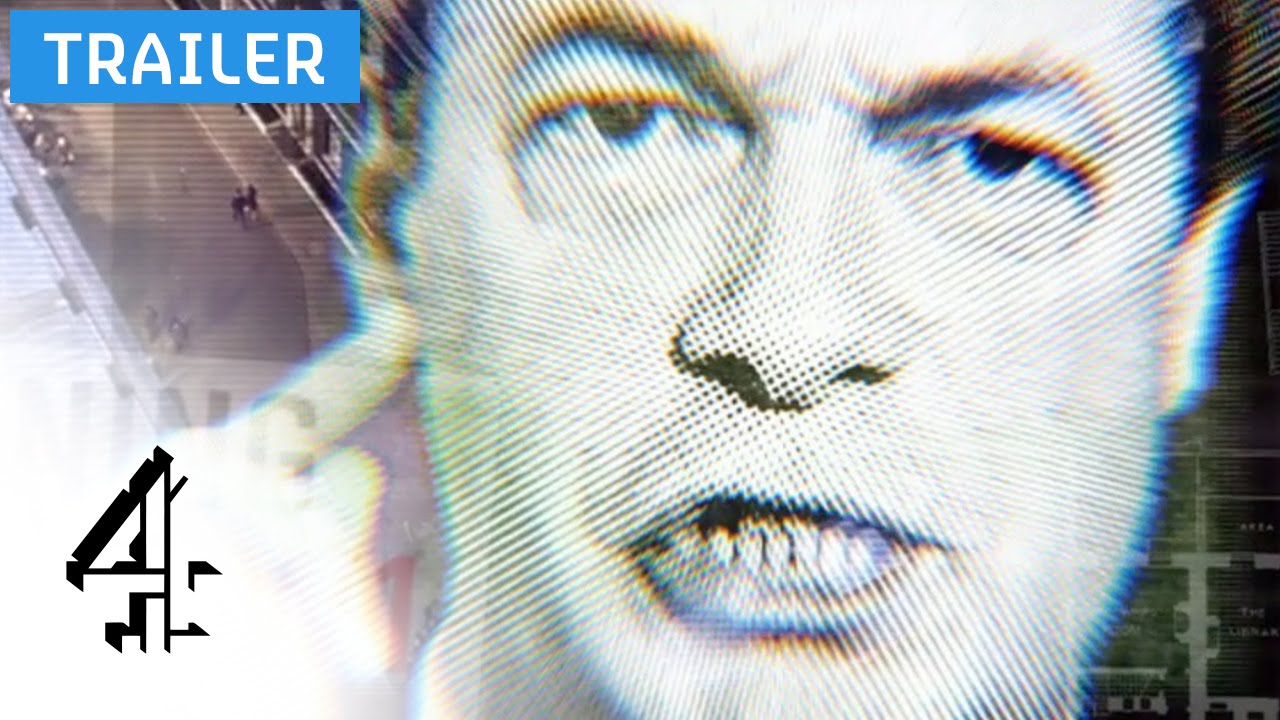
One can guess the bias of Channel 4’s fictional UKIP: The First 100 Days by the mere fact that it was produced and shown on television at all. It continues a noble tradition of “what if” mockumentaries imagining what would happen if some terrible catastrophe were to befall Britain – a smallpox outbreak, major terrorist incident, and now, apparently, the election of Nigel Farage as Britain’s next Prime Minister. That the filmmakers consider a (thoroughly inconceivable) UKIP general election victory to be a calamity on the same scale as a global smallpox pandemic tells you everything you need to know when judging their level of impartiality.

In the opening montage, we are treated to the sight of a bald, white, working-class market trader casually referring to British Sikhs as one of “your lot” when greeting UKIP’s new Asian woman MP for Romford. Because that is just how all white working class people think and talk, rubes that they are, according to the received wisdom of the London-based middle class liberals who make these programmes.

Continue reading

TV Election Debates? Empty-Chair The Lot Of Them


Behold our political leaders debating whether or not they should participate in televised debates ahead of the general election.

We have wasted an inordinate amount of time over the past two weeks worrying about the general election televisised party leader debates. Countless headlines and front pages have been devoted to the “will they, won’t they” game of brinksmanship being played out by David Cameron and the other party leaders. Ed Miliband wasted the better part of his Prime Minister’s Questions attack on the subject. And for what?

What are we really getting excited about when we feverishly speculate over whether the debates will happen, and which of the identikit politicians will bother to appear on stage? Do we actually expect to hear serious new policy initiatives being announced? An honest discussion about the budget deficit, and competing but realistic spending plans that will bring the public finances back into balance? A searching discussion about twenty-first century Britain’s place in the world?

Has anything happened over the past five years to give us cause to hope for these things? And here’s an even more important question: Why do we care about the debates anyway?

Continue reading

It Will Take A Far Better Comedian Than Al Murray To Make A Laughing Stock Of UKIP


Do you recognise this man?

You may remember him from a short-lived television sitcom a few years back, in which he played the self-important, somewhat sexist and xenophobic proprietor of a scruffy, down-at-heel pub. Yes, this is Al Murray the Pub Landlord.

Murray’s career has consisted primarily of wringing the same laughs out of the same jokes involving the same character, over and over again, year after year; if you’ve seen one of his television or stage shows, you have more or less seen them all. But Al Murray’s latest reinvention comes with a political twist – he is running for election as the Free United Kingdom Party (FUKP) candidate in South Thanet, the same constituency that UKIP leader Nigel Farage is contesting in the general election this May.

Murray’s apparent goal is to win a few more laughs (and a much needed publicity boost) by melding his stereotypical pub landlord persona with Nigel Farage’s pro-British populism, a process that is aided by their shared love of real ale; this is not complex, thought-provoking comedy.

The Spectator provides a taste of FUKP’s manifesto:

Continue reading