How Dare The Labour Party Reject My Application?

Labour Party Application Rejected - 2

As the Labour leadership election draws to a close this week, today I was finally purged from the party, my application summarily rejected because apparently I do not share the “aims and values” of the Labour Party. I defy them to name which of their official “values” we do not hold in common.

I don’t know whether to be flattered or insulted by the fact that it took until today – less than a week before their leadership election result is announced – for the Labour Party to realise that perhaps I did not fit the profile of their ideal new supporter, and finally reject my application.

A quick Google of my name or perusal of this blog should have set alarm bells ringing right away, I fully expected, but it seems that I express myself so poorly on these pages that my antipathy to the Labour Party was not immediately clear to the vetting team at Labour HQ.

But despite taking weeks longer to reject my application than was the case for Telegraph columnist Toby Young or Conservative MP Tim Loughton, I at least had the consolation of receiving not one but two rejection emails, sent within minutes of each other. So when I finally registered on their radar, at least it seems that I made a strongly negative impression.

And so despite having been deluged with correspondence from all of the Labour leadership and London mayoral candidates since stumping up my £3 application fee, this is the terse, boilerplate rejection that I (twice) received from party HQ:

Continue reading

Stop Worshipping ‘Centrist’ Voters – They Are Responsible For Britain’s Woes

Swing Voters - Couch Potato - 2

First published at the Conservatives for Liberty blog

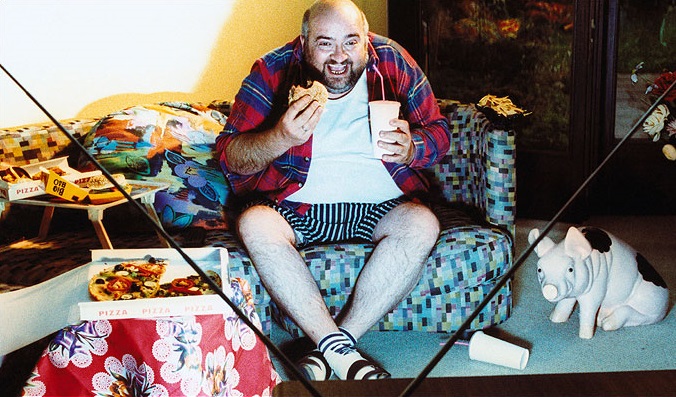
What exactly constitutes the political centre, anyway? Is it even a real thing? And why are we so in thrall to something so vague and ill-defined?

The political centre ground: people talk about it all the time. It is meant to represent the silent majority, that great conclave of wise and sage-like citizens who – unlike us hotheated partisan folk with our strong beliefs and awkward ideals – remain serenely above the political fray, calmly and methodically weighing competing policies against each another before arriving at their pragmatic, irreproachable voting decision on polling day.

Every British political party leader since Thatcher left office has been in hot pursuit of the political centre ground, happily throwing established party orthodoxy and revolutionary thinking alike out the window, preferring to court the good opinion of people who took a good look at Labour’s managed decline of the 1970s and the Tory individualism of the 1980s, and, Goldilocks-like, decided that they prefer something half way between the two, thank you very much.

But who are these political centrists? Do they actually exist, or are they an artificially created demographic, an amorphous and shifting blob of people whom the pollsters have not yet found a better way to categorise?

It’s a relevant question, because you can be assured that British politics for the next five years – or at least, the narrative around politics constructed by the media – will be all about the political centre, and which party is doing the better job of wooing it approaching the 2020 general election.

Continue reading