Labour Leadership Candidates United By Arrogance On Europe


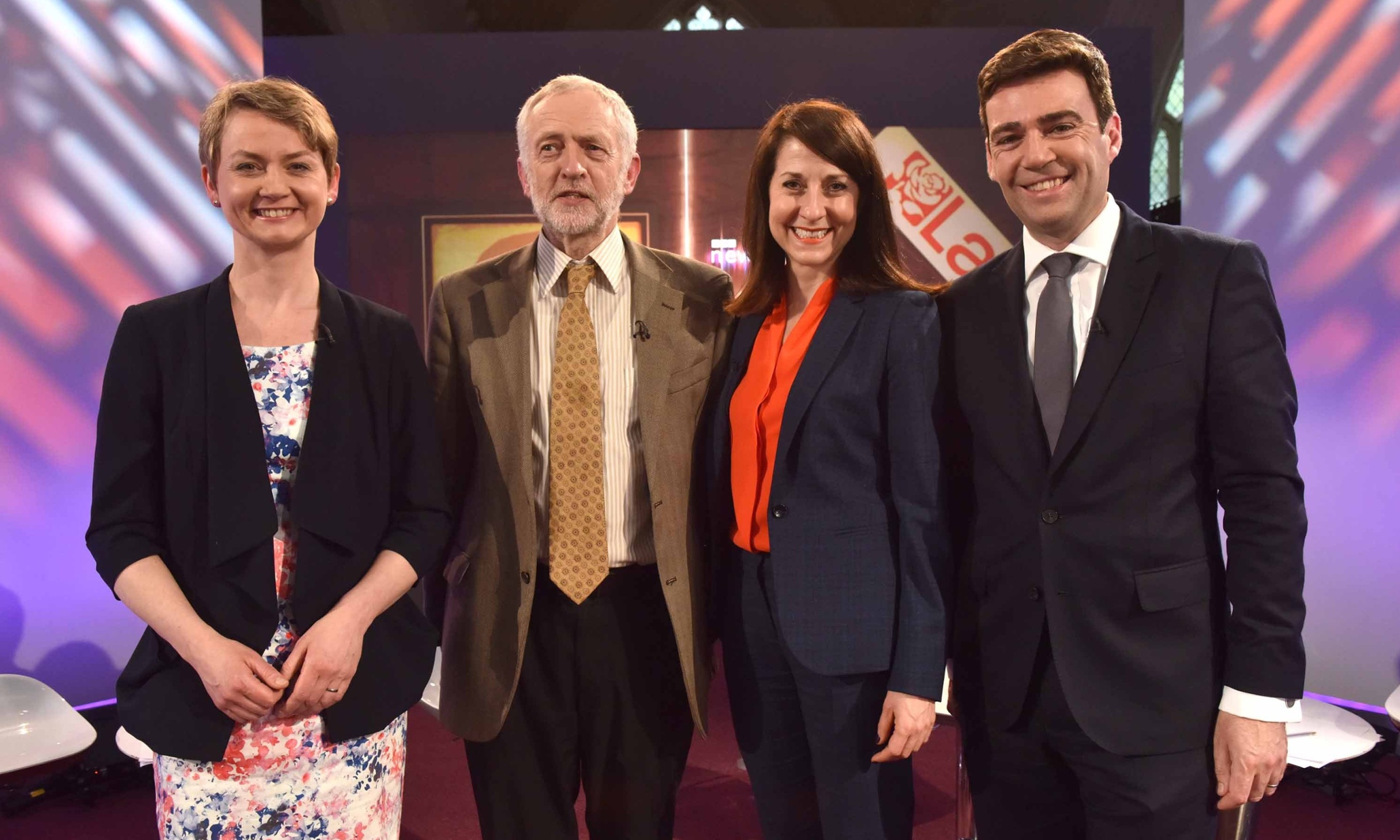
Anyone hoping that Labour Party’s haemorrhaging of northern votes to UKIP or the EU’s sacrifice of Greece to preserve the Euro might lead to a reconsideration of Labour’s reflexive, metropolitan pro-Europeanism must be sorely disappointed with the four candidates jostling for the honour of leading the party to defeat in 2020.

Although there is a groundswell of euroscepticism building across the country – and even though many prominent left-wingers are now calling for “Lexit”, including the ubiquitous Owen Jones – those who aspire to lead the Labour Party remain wedded to their desperate belief that the EU is somehow good for Britain.

Even as the contrary evidence mounts and public pressure for a left-wing eurosceptic political outlet grows, the Labour Leadership candidates prefer to stick to their increasingly hollow-sounding scripts, proclaiming the dubious virtues of political union and the supposed horrors that would befall Britain if we were to regain our independence.

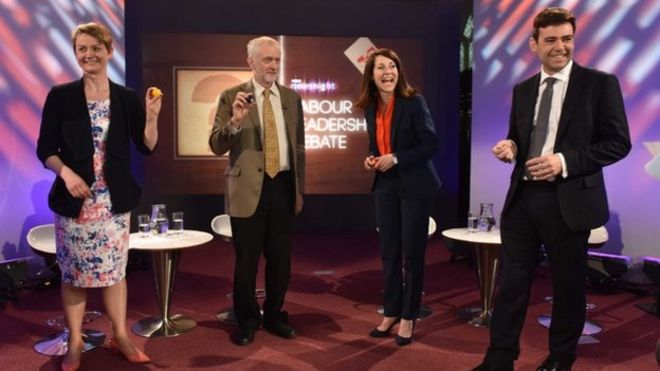
This much became clear during the LBC radio Labour Leadership hustings, when a certain “Nigel from Kent” (yes, that one) phoned in with a question, asking the candidates whether there were any scenarios in which they could envisage campaigning for Britain to leave the EU and voting “no” in the Brexit referendum.

The responses were predictably depressing.

Continue reading

In Memoriam – Labour Party: 1900-2015

Labour Party - Labour Leadership - 2015


TRIGGER WARNING: This article is a polemic. If you are a Labour supporter who likes accusing the Tories of cruelty and moral deficiency but can’t take criticism in return; if you ostentatiously signal your own virtue by policing the public discourse for “unacceptable” words and ideas while turning a blind eye to appalling real-world actions; if you think that welfare reform is “divisive” but railing against “the bankers” (meaning anyone who works to earn a good salary) is A-OK; if you think Ed Miliband was a visionary leader, ahead of his time and ultimately just too good for this unworthy country – then read on at your own risk.

PRINCIPAL TRIGGERS: Unapologetic conservatism; belief in a higher power other than the state; schadenfreude; gloating; mockery; sarcasm; deliberate overstatement; forceful language; general failure to provide a safe and non-judgmental space for processing the 2015 general election result and the scale of Labour’s defeat.

Fair warning.


And so, not with a bang but a self-righteous whimper, Labour is collapsing from within, the party of Kier Hardie and Ramsay MacDonald publicly reducing itself to a smouldering heap of dark recrimination, bitter contempt for the electorate and tiresome more-compassionate-than-thou moral posturing.

This slow-motion, socialist car crash is utterly transfixing, especially because the man who led Labour to ruin, Ed Miliband – and many others – seriously believed he would now be prime minister of the United Kingdom, right up to the moment the exit polls dealt a deadly dose of reality. Now, it is not even certain that the party will survive to fight the 2020 election without having first splintered into warring People’s Front of Judea / Judean People’s Front factions.

Continue reading

2015: A Good Time To Be Eurosceptic

Europe - EU Flag - Brexit - Eurosceptic - Fading Flag


First published at Conservatives for Liberty

It’s hard to remember the last time it felt this good to be a Eurosceptic, to love Europe but abhor the mid-century anachronism that is the European Union.

Since the dying days of the Major government we eurosceptics have been on the back foot, forced to watch Britain sign the agreements and ratify the treaties which lashed us ever more tightly to the post-war dream of ever-closer union, totally incapable of mounting an effective defence. And when we did speak up, we have consistently been portrayed as cranks, obsessives (and far worse) by left-wing politicians, Conservative sympathisers and the media.

Aside from the recent morale boost courtesy of Nigel Farage and UKIP, it has often felt as though we eurosceptics were waging a lonely and futile battle against progress itself – that the inevitable world of 2115 would be organised into huge, supranational, protectionist trading blocs, with nation states stripped of power and relevance, and representative democracy having long since slipped down the crack between the two.

But not now, not in 2015. Not after Greece.

It should not have taken the immolation of a small, southern European country – sacrificed for the “greater good” of monetary union – for so many people to finally wake up and realise that the European Union does not mean them well, that the Eurogroup’s treatment of one recalcitrant member is the rule, not the exception.

Continue reading

Mhairi Black’s Overrated Maiden Speech


By most accounts, the SNP’s Mhairi Black – Britain’s youngest MP in several hundred years – gave a great and powerful maiden speech when she finally spoke during the Budget debate this week. And so it was, if you lower the bar for greatness so far that it encompasses earnest, occasionally witty, wide-eyed socialist babble.

Certainly many Labour MPs were enthusiastic, as the Guardian reported approvingly when the speech went viral:

In the anti-austerity speech where Black called herself “the only 20-year-old in the whole of the UK who the chancellor is prepared to help with housing” after the age limit imposed on housing benefit, she also called for a healing of relations with the Labour party.

“I have never been quiet in my assertion that it is the Labour party that left me, not the other way round,” she said in the speech where she also praised the lateLabour grandee Tony Benn. “I reach out a genuine hand of friendship that I can only hope will be taken. Ultimately people are needing a voice, people are needing help. Let’s give them it.”

Several Labour politicians seemed receptive to her call for cooperation. Praise for Black’s speech was tweeted and retweeted by Labour MPs including Tulip Siddiq, Diane Abbott and Sarah Champion, as well as Labour’s Madeleine Jennings, the parliamentary researcher for MP Stephen Kinnock.

This blog disagrees with almost everything that Mhairi Black believes in, but has no personal animosity toward the twenty-year-old parliamentarian. In many ways it is refreshing and long overdue for someone so young to be included in the makeup of parliament, especially at a time when government policy (and state largesse) so overwhelmingly favours older people, with their selfish attitudes and non-means tested benefits. It is only a pity that Mhairi Black doesn’t represent a serious political party but rather a group of zealous, moralising fantasists who would tear up a three hundred year old union in a fit of pique over ten years of Tory Lite rule. But so be it.

Continue reading

No, Jeremy Corbyn’s Labour Leadership Candidacy Is Not A Disaster


It’s encouraging to see the Telegraph’s Rupert Myers echo this blog’s view that the presence of Jeremy Corbyn in the Labour leadership contest is a good thing, and not the unmitigated disaster that conventional wisdom and repetitious Labourite talking heads continue to say it is.

From Myers’ column today:

A Corbyn victory would allow the free democratic choice not between two shades of middle, but between what could properly be definied as the left and the right. Angry voices calling for true, radical alternatives to capitalism would (we can pray) be silenced for a generation (or at least a few months) if Jeremy had the chance to present a bold, socialist agenda for Britain. Floating voters would have the opportunity not to pick between politicians with similar manifestos, but to decide a political battle waged in technicolour. The Corbyn ultimatum would bring the far left from out of the shadows of a Labour HQ intent on fussing about how to win elections, and test the rhetoric of a legion of angry young socialists against the wisdom of the electorate.

Voters like a real, solid, discernable choice. If Labour pick Jeremy Corbyn and Tom Watson to head their efforts between now and 2020, I predict a renaissance of political engagement. Rather than spend the next five years arguing about the threshold of tax allowances, we could argue the merits of state ownership of the railways, banks, fast food industry, and the Premier League.

Instead of bureaucratic tinkering with foreign aid, we’d be debating whether to drop our borders to allow the unrestricted movement of people. PMQs could be a discussion on how to cap pay to the level of tube drivers, to be set at £200,000 a year. New Labour might not like the image which emerges, but at least Corbyn would turn the contrast button up to full and then rip it off the set.

Absolutely. It’s long past time we had a proper political debate in this country again, instead of these interminable, finickity squabbles about negligible ideological differences.

Continue reading