EU Sock Puppets: Brussels Propaganda From The Mouth Of A Familiar Face

Conservative MEP Daniel Hannan gives us something to consider when the pro-Europeans inevitably roll out their long list of charities and other non-governmental organisations endorsing an “In” vote in the coming Brexit referendum.

The EU has form when it comes to bribing its citizens with their own money – that’s how broadcasters which receive money from the EU come to show passionately pro-European and rabidly anti-UKIP mockumentaries ahead of key national elections.

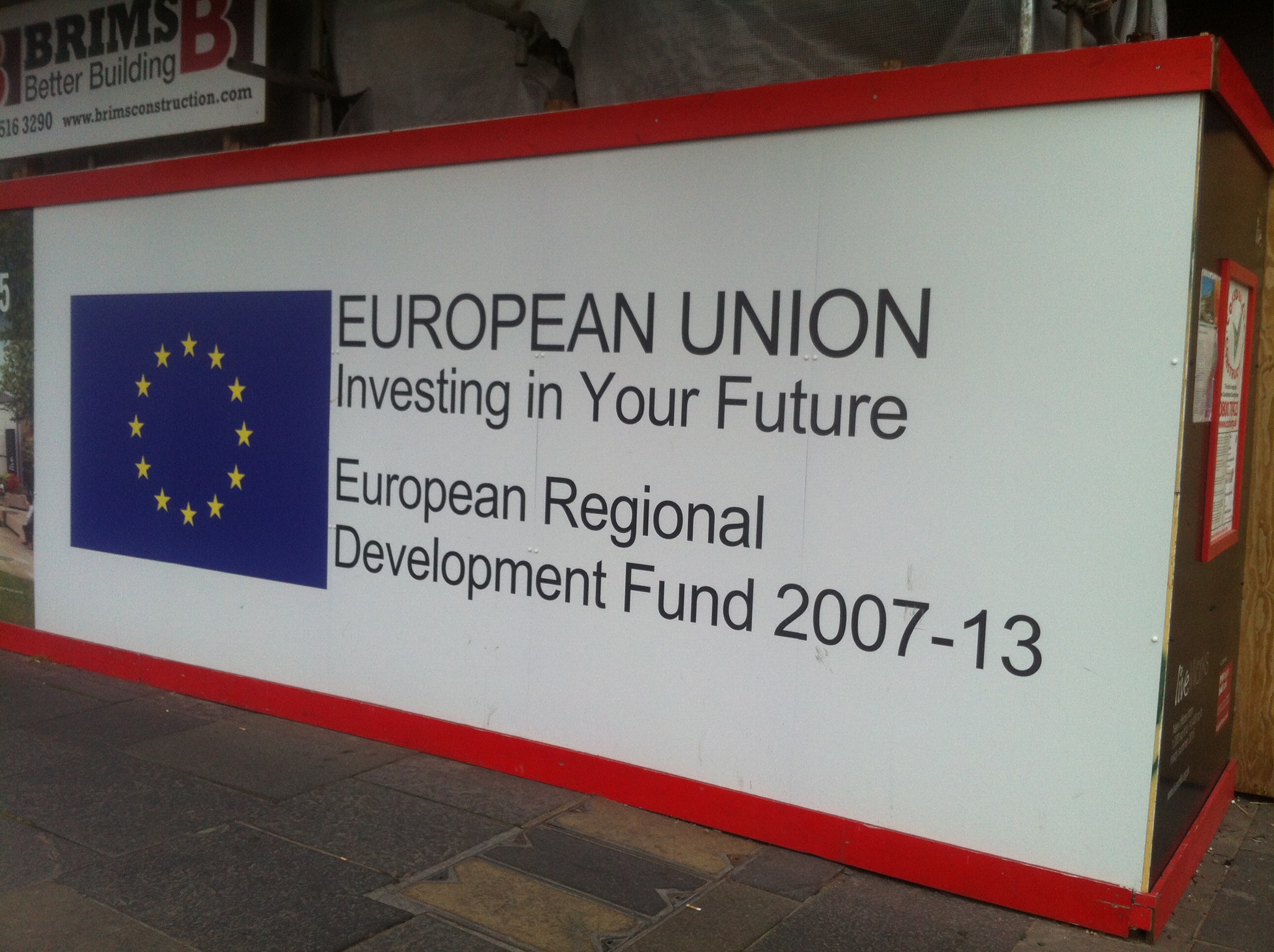
It’s also how nearly every large infrastructure project in Britain seems to come stamped with a “funded by the EU” plaque prominently placed to take all the credit for something which would have been built anyway – and probably for lower cost – had the money gone straight from taxpayers to the project rather than through the Brussels pork machine first.

So it should come as no surprise to anyone when a list of household name organisations dutifully line up to warn us of impending Armageddon if Britain were to do what every other successful economy in the world outside Europe does, and face the world as a strong and autonomous nation, willing to build partnerships to face global challenges but never subordinate our own national interest to the 1950s dream of ever-closer union at any price.

Our duty remains to look critically at these claims, and determine what (if any) merit is left when the self-preservation instinct and ulterior motives of the organisation in question are stripped away.
#EUSockPuppet

EU Propaganda - EU Regional Development Fund - EUSockPuppet

Follow Semi-Partisan Politics on Twitter and Facebook.

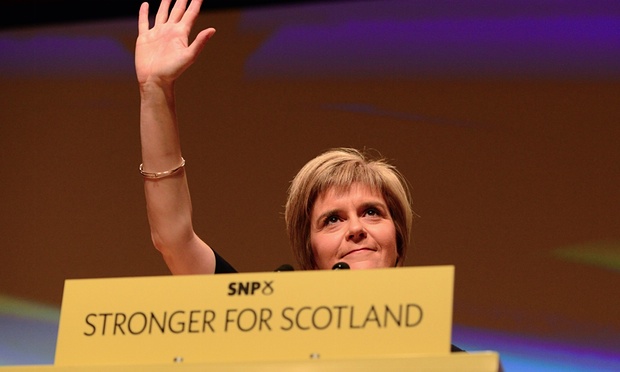
Nicola Sturgeon And The SNP Are Trying To Blackmail Britain

Nicola Sturgeon - SNP - Scottish Independence - IndyRef - Blackmail

First published at Conservatives for Liberty

For the sake of everyone else in the United Kingdom, 2016 must not be another year of coercion and blackmail by selfish Scottish nationalists

Nicola Sturgeon, First Minister of Scotland, has presumed to tell the elected Prime Minister of the UK that our country is on “borrowed time”, and that if we do not mend our ways and immediately start enacting left-wing policies which were comprehensively rejected in the 2015 general election, we will lose the pleasure of Scotland’s company in the United Kingdom.

From the Telegraph:

Ms Sturgeon has prompted speculation about a quick second referendum by promising the SNP’s 2016 Holyrood election manifesto will contain details of potential “triggers” for another vote, such as the UK leaving the EU, and a timescale.

However, amid warnings it would be the nationalists’ last chance, she has made clear she will only call another vote when she is sure of victory.

[..] she warned David Cameron that Scots would weigh up independence “against the alternative” of Westminster rule and warned that he was “living on borrowed time” thanks to his refusal to listen to their views on Trident, austerity and greater devolution.

Nicola Sturgeon needs to learn her place. With all its new powers, the SNP has governed Scotland poorly; its policies on policing, education and tuition fees have failed. The economic success of Scotland – including high employment – is facilitated by the union.

Continue reading

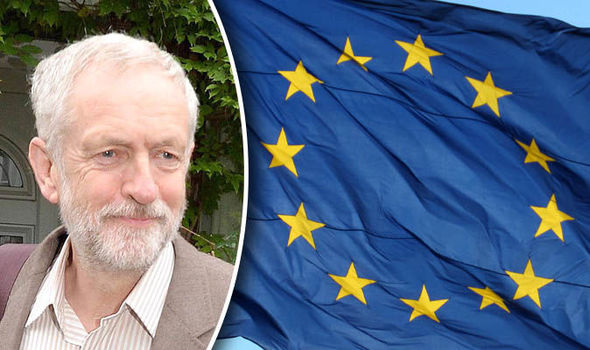
Jeremy Corbyn Capitulates On The EU, Betraying Left Wing Eurosceptics

Jeremy Corbyn - EU - European Union - Brexit - EU Referendum

Is Jeremy Corbyn’s capitulation on Europe a sign of things to come?

We all know that Jeremy Corbyn is a eurosceptic at heart. He voted for Britain to leave the European Community in the 1975 referendum for precisely the same reason he remains sceptical of it now – Corbyn recognises that remote and anti-democratic institutions in Brussels and Strasbourg make it impossible for Britain to pursue her own sovereign policies.

Of course, in Corbyn’s case, the EU stands in the way of creating a true socialist state, a People’s State of Great Britain with levels of regulation, social legislation and economic protectionism that even Brussels rightly rejects. Corbyn’s euroscepticism is thus very different from a conservative or libertarian’s euroscepticism, but it still comes down to sovereignty at the end of the day – whether Britain should be free to pursue her own interests, or subordinate our national interest to the “greater good” of European unity and harmonisation.

Since the general election and the summer escalation of the Greek economic crisis, there has been an encouraging increase in left-wing euroscepticism, with prominent thinkers and voices finally starting to accept that the EU might not have the interests of all its individual member states at heart. It has been encouraging to watch these green shoots of euroscepticism grow on the Left, as more people came to realise that this anti-democratic anachronism from the 1950s is perhaps not the solution to the challenges of the twenty-first century.

But all of this welcome progress came to a screeching halt yesterday when Jeremy Corbyn announced an abject and humiliating climbdown in his eurosceptic stance, no doubt forced by self-entitled members of his restive shadow cabinet:

Continue reading

PMQs In The Jeremy Corbyn Era

Jeremy Corbyn - PMQs - 3

Jeremy Corbyn’s first outing in Prime Minister’s Questions was not the humiliating car crash predicted by some of his opponents – in fact, there were promising glimpses of what a refreshed PMQs could yet become

There was a quiet dignity to the way that Jeremy Corbyn, newly-elected leader of the Labour Party, got to his feet as Leader of the Opposition and asked his first question of David Cameron.

To the extent that optics matter, Jeremy Corbyn looked smart, in a friendly old professor sort of way – watching Corbyn, it almost feels as though there must be a bag of fuzzy unwrapped Werther’s Original sweets hidden somewhere in his jacket pocket. And for a man who has never held a front-bench role before taking on this most high profile one, Corbyn did not sound the slightest bit nervous. In fact, his voice seemed deeper and more resonant than it has at times on the campaign trail.

But enough of the fluff – it’s the substance that counts, not the presentation. And on this front too, Corbyn acquitted himself perfectly well for a first outing at PMQs. In fact, he rose to the occasion, following through on a pledge to use his time to ask questions submitted by members of the public.

This could easily have been gimmicky and awkward, an act of political spin straight out of The Thick Of It. But in fact it was actually quite moving, in a strange way – those of us who watched PMQs today saw the voices of the people brought into Parliament’s highest profile set-piece event, the type of direct advocacy normally reserved for backbenchers at sparsely-attended debates.

Continue reading

Stop Criticising Jeremy Corbyn’s Speeches And Focus On His Ideas

Jeremy Corbyn detractors have been criticising the Labour leader’s early speeches for not being conciliatory enough, and for rambling. They would do better to focus on his ideas

Remember that great speech Ed Miliband once gave?

The really inspiring one, that time where he not only lifted the spirits of committed Labour Party activists but also reached out to the whole country, convincing millions of British people that a bright and appealing future lay just around the corner, ours for the taking under a Labour government?

You know, that barnstormer of a speech, one of those rare moments when human rhetoric rises to meet a momentous occasion; when hard-nosed political journalists were momentarily awed, and even cynical television pundits choked up. Surely you must remember?

No? Neither can I. Because it never happened. And yet corners of the British press are currently in the process of excoriating Jeremy Corbyn for failing to wow them with a good enough speech, having won the Labour leadership contest only days ago.

Corbyn’s victory speech was high-handed, amateurish, rambling, unstructured and not conciliatory enough, according to the verdict of various pundits. Matthew D’Ancona was particularly unimpressed with the strategic aspect:

Continue reading