Scheherazade, by Rimsky-Korsakov:
A fine performance of the full work by the Vienna Philharmonic Orchestra under the LSO’s principal conductor, Valery Gergiev.
More on the background of the piece here.
Scheherazade, by Rimsky-Korsakov:
A fine performance of the full work by the Vienna Philharmonic Orchestra under the LSO’s principal conductor, Valery Gergiev.
More on the background of the piece here.


The nationalist separatist cause espoused by the SNP and Alex Salmond has always had more basis in fairy tale and wishful thinking than in any kind of reality, and Salmond has always been among the most deluded of its proponents.
Leaving the United Kingdom yet sharing a Head of State. Leaving the United Kingdom and yet sharing the UK’s currency. Leaving the United Kingdom and expecting a warm and swift embrace from the European Union. The leader of the Scottish Nationalist Party has asserted all of these risible ideas at one time or another, and many more besides. And yet not content with already living very publicly in cloud cuckoo land, Salmond felt the need to go further still.
In the latest story to be filed away with his other preposterous ideas, Alex Salmond now imagines himself the leader of a newly independent Scotland, and deigns to dictate to the remainder of the United Kingdom the terms on which Scotland would assume a portion of the UK’s current national debt on secession.
The FT reports:
In his first major speech on independence in weeks Mr Salmond accused London-based ministers of “lecturing” the Scottish people.
Offering a “deconstruction” of Mr Osborne’s argument, Mr Salmond said: “If there is no legal basis for Scotland having a share of the public asset of the Bank of England, then there is equally no legal basis for Scotland accepting a share of the public liability of the national debt.”
One thing needs to be made absolutely clear, not just to Alex Salmond but to all supporters of Scottish independence, so that they are able to make an informed decision at the ballot box when the time comes: assuming a proportionate amount of the United Kingdom’s sovereign debt upon secession from the UK is not negotiable, and is not something that can be opted out of. Neither, crucially, is it dependent on the UK agreeing to share its currency with the newly independent country.
The Scots may choose to leave the United Kingdom, and if they are foolish enough to do so then that is now their right, to be exercised in the referendum this September. But whether an independent Scotland keeps the pound, joins the euro or – as one commentator suggests, inaugurating a new currency, the Salmond – they must assume their fair proportion of the national debt. Scotland may choose to flounce out of the United Kingdom, but it cannot walk away from sovereign debt.
Whether the Scottish people end up using euros, doubloons or monopoly money in the event of independence, they will be required to make payment to the United Kingdom for their share of the debt. George Osborne and his counterparts in the Labour and Liberal Democrat parties need to make this absolutely clear to Salmond, just as they unequivocally stood together to make clear that an independent Scotland will not share a currency with the UK.
Salmond and his allies in the “Yes to Independence” campaign may continue to throw accusations of bullying and intimidation when well-meaning people point out the impossibility of their public stances, but this should not dissuade anyone from doing so.
The goal of these continued rebuttals, of course, is not to change the mind of Salmond – he is far too gone, far beyond help. But when he makes blatantly false assertions about an independent Scotland’s ability to choose a currency other than its own, or to walk away from sovereign debt obligations, he is misleading his supporters and ensuring that the votes they may cast for Scottish independence are for a very different kind of independence than that which he promises and they have in mind.
For that reason alone – to maintain the integrity of the referendum campaign in the face of sleazy salesmanship, sleight of hand and craven dishonesty from Alex Salmond and the SNP – the media’s truth and plausibility-o-meter must remain firmly pointed at the nationalists.

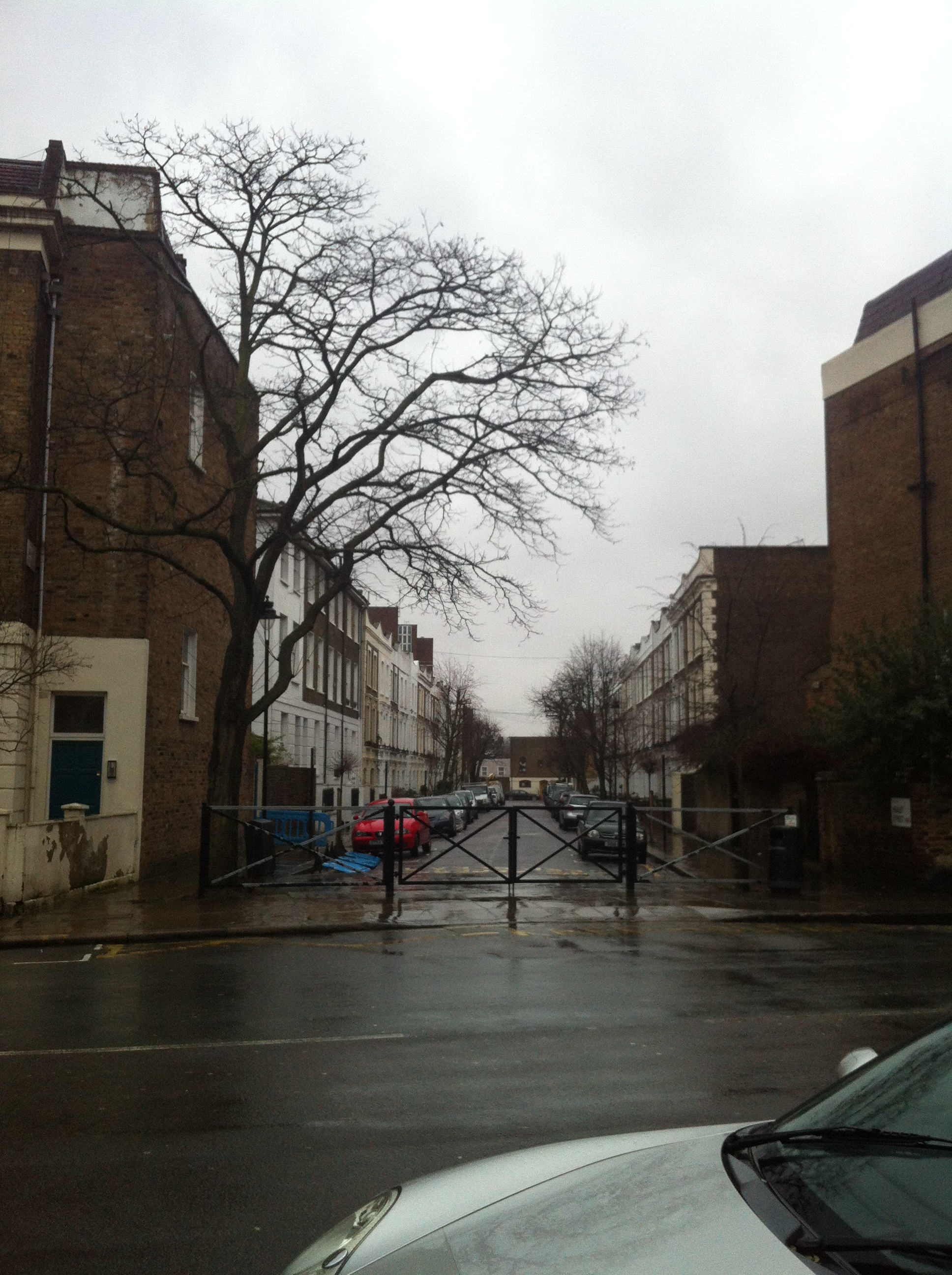
Kentish Town, London.

Two very different approaches to the same piece of music today – Keyboard Concerto no. 7 in G Minor, BWV 1058, by Johann Sebastian Bach.
Firstly in a recording with Harpsichord solo, performed by Trevor Pinnock with the English Concert Orchestra (second movement only):
And secondly, as interpreted by Glenn Gould on the piano in a performance with the Toronto Symphony Orchestra under the direction of Vladimir Golschmann (full performance):
My preference lies with the latter recording, perhaps unsurprisingly given the fact that I am on record as considering Gould to be my favourite pianist and best interpreter of Bach. I am not one to stubbornly insist that the modern piano is an inappropriate instrument for the performance of Bach, believing (as did Gould himself) that the composer was always looking to test and push the boundaries of what was possible, and would have embraced the modern concert grand piano had it been available in his time.
And while I enjoy the fruits of the period instrument movement to a point, I firmly believe that the evolution in the modern symphony orchestra, as with individual instruments, is not something that need be shied away from or apologised for. The shortcomings of “historically informed performance” are set out very well in this essay from the Arts Journal.
However, setting my preference aside, there is a wonderful musicality to the harpsichord performance, and pleasure to be had in listening to both with an open and receptive ear.
Those Brits who needlessly fret about the strength of the Special Relationship between the United Kingdom and the United States of America can finally rest easy – for so powerful is the bond between our two countries that we now apparently share a common weather system.
The Daily Mail reports on the perfect storm now linking our great nations:
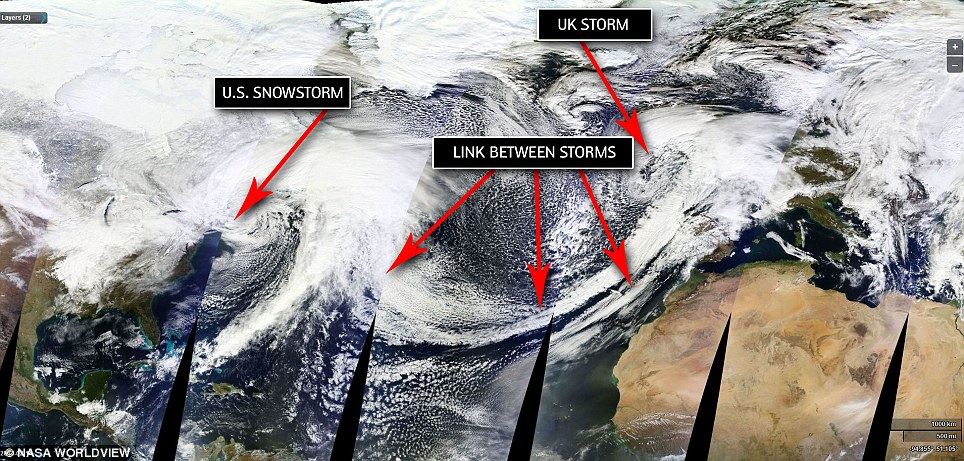
For so great is the rapport between our countries that it is now reflected in the heavens themselves.
And at a more human level, fans of the British actor Benedict Cumberbatch hoping to catch a glimpse of him at this evening’s BAFTA award ceremony in Covent Garden, London were left disappointed when our mutual storm stranded him at JFK airport in New York.
This bond is enduring.


