The Conservative/Liberal Democrat coalition government is already waging a war on two fronts when it comes to welfare reform, with the combined forces of the Catholic and Anglican churches having just taken up one flank and Ed Miliband’s Labour Party menacing from the other. Given this state of affairs, some people might reasonably believe that they had bitten off about as much as they could chew, having now taken on God in addition to David Miliband’s politically fratricidal brother. But apparently not this government.
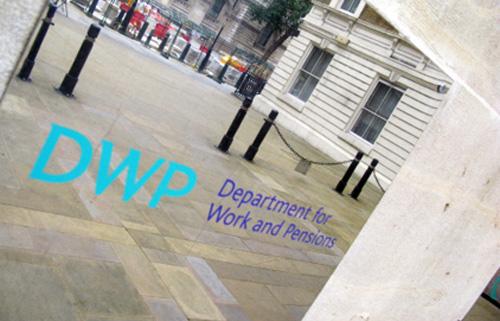
Already under fire for paying insufficient regard to the suffering of those living on welfare, the Department for Work and Pensions is now plotting to charge people for appealing the rejection or cancellation of their benefits claims. The policy is packaged together with a number of others which collectively manage to do very little to solve a real welfare or fiscal-related issue while sounding very tough and decisive.
The Guardian reports:
Critics said the proposal, contained in an internal Department for Work and Pensions document leaked to the Guardian, would hit some of the poorest people in Britain, who have been left with little or no income.
In the document about the department’s internal finances, officials say the “introduction of a charge for people making appeals against [DWP] decisions to social security tribunals” would raise money.
Other ideas include selling off child support debt to “the private sector to collect”, though civil servants remark that the government would be unlikely to raise more than 5-7p in the pound from the £1.4bn currently owed to the DWP. The department currently collects arrears.
It is depressing indeed to see the government obsessing over the smallest and most insignificant line items in the budget whilst ignoring the parade of elephants in the room. Why look at the billions upon billions of pounds that can (and must) be saved by means-testing pensions and increasing the retirement age when one can look very busy and important (but much less politically brave) saving scraps of money here and there by implementing a pay-as-you-go benefit appeal process?
Of course it would save money to charge people for appealing their adverse benefit claim decisions – by definition, most benefit claimants don’t have much money to splash around taking the government to court. And the only precedent in existence for charging for this kind of appeal would see claimants having to pay in the order of £250 to have their case heard:
Last year the Ministry of Justice (MoJ) which sets policy in the area, brought in charges for employment tribunals of up to £250 to lodge a claim, depending on the kind of case being brought. The union Unison asked judges to review the policy, saying the number of claims had dropped by more than half after fees were introduced. High court judges declared the policy lawful this month.
This smacks of government simply hoping to bully and intimidate people into not pursuing legitimate claims. If a short term claimant for Jobseekers’ Allowance is denied their claim, it will hardly be worth their while appealing the decision, no matter how egregiously wrong it may have been. If the claimant can reasonably expect to return to work within a month, the value of the benefit claim in question would barely cover the cost of making the appeal. At best (if the application was approved on appeal) the claimant would break even, and it would be as though they had done nothing at all. And at worst (if the rejection was upheld) the claimant would be £250 in the red.
With the claimant’s potential options so skewed against them, it would create an enormous incentive for the authorities to reject as many applications as possible out of hand, knowing that only a small fraction would likely make it to appeal. The government might accomplish its goal of drastically reducing the welfare rolls, but at what price?
Regardless of whether the majority of decisions end up being upheld or overturned, making people with no money pay to appeal decisions can only hurt some of the poorest people in Britain.
Those people who are generally supportive of the coalition government’s attempts to tackle the ongoing British budget deficit and make meaningful reforms to the welfare system can only be immensely frustrated by this development. The introduction of the Universal Credit and other associated reforms are proving contentious enough, and their implementation has been beset with difficulty. The government has not successfully implemented a new IT system on time or on budget since the days of 5.25 inch floppy disks, and this track record shows no sign of imminent improvement.
The scale of the task already underway was challenging enough, and faced enough opposition, so why was there such an urgent need to make its progress even more treacherous? True, the plans only came to public knowledge because an internal document was leaked, but at some point these proposals would have seen the light of day and been formally announced. When was the government saving this kick-the-poor-while-they’re-down announcement for? One year before the general election? Six months? Just before the start of the official campaign, as a surefire way to help Ed Miliband win back power for Labour?
Now is the time when the coalition government needs to circle the wagons around welfare reforms that are coming under increasing attack from the Labour Party and the more hand-wringing, less cerebral ranks of the church.
Finding out, instead, that the DWP has essentially been writing another six months worth of unfavourable headlines for the government in The Guardian and The Daily Mirror was not the decisive response that welfare reform proponents were looking for.
When David Cameron and Iain Duncan Smith have finished giving the bishops remedial lessons in economics and social policy, they would also do well to bring the DWP to heel. Self-inflicted wounds of this kind are not helping to advance their agenda.

 Semi-Partisan Politics