Natalie Bennett and the Green Party decided to use (or rather, waste) one of their rare moments in the media spotlight this weekend to announce their grand plan to levy a 60% marginal income tax rate on anyone earning over £150,000 a year.
The Greens are not even approaching the issue apologetically, with the tired old claim that confiscatory rates of income tax are necessary to fund public services. No, now they are suggesting that wealthy Brits should be hit with punishing rates of tax because apparently Britain’s brightest minds, shrewdest investors and most successful entrepreneurs “take too much” out of our society:
The highest earners would face a 60p top rate of tax under Green Party plans to make the richest “pay back” to society and deter companies from paying “excessive” salaries.
Britain’s top earners currently face a 45p rate on income over £150,000 but Natalie Bennett, the Green Party leader, claimed that they deserved to pay even more.
“What this 60p is for is really to identify the fact that some people are taking too much out of our society, they need to pay back,” she told the BBC’s Andrew Marr show.
You read that right. The Green Party actually believes that the people who invent things, make scientific breakthroughs, create jobs, run Britain’s top industries and make our art and culture the finest in the world take stuff out of our society. The people who already pay the most tax and keep our precious public services ticking over are nothing more than parasites, according to Natalie Bennett and the Greens.
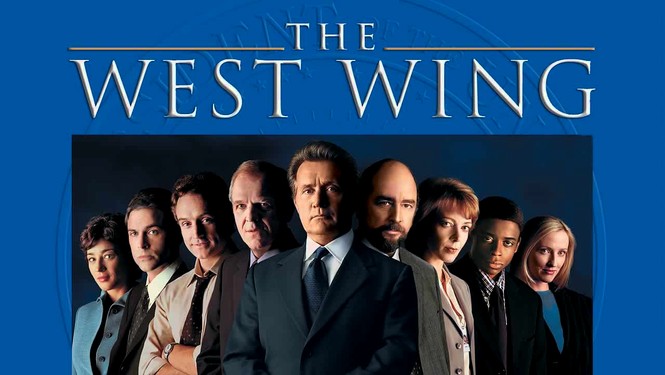
Clearly Natalie Bennett is not a fan of hit US television show The West Wing. If she was, she would know that even starry-eyed left wingers like fictional President Bartlett’s speechwriter, Sam Seaborn, accept that it is unseemly to bash the rich while taxing them to death at the same time.
In one very memorable quote (see the video above), Sam Seaborn says to a union boss:
“Every time your boss got on the stump and said it’s time for the rich to pay their fair share, I hid under a couch and changed my name. I left [my old job before going into politics] making $400,000 a year, which means I paid twenty-seven times the national average in income tax. I paid my fair share. And the fair share of twenty-six other people. And I’m happy to, because that’s the only way it’s going to work. And it’s in my best interests that everybody be able to go to schools and drive on roads.
But I don’t get twenty-seven votes on election day. The fire department doesn’t come to my house twenty-seven times faster and the water doesn’t come out of my faucet twenty-seven times hotter. The top one per cent of wage earners in this country pay for twenty-two per cent of this country. Let’s not call them names while they’re doing it, is all I’m saying”.
Hard to put it much better than that.
Of course, the Green Party delight in the fact that their radically “alternative” politics place them far to the left of even staunchly left-wing opinion.
But given the harm that a 60% top rate of tax would do – and it would be a catastrophic act of economic self-harm, based on Britain’s historical experience and the cautionary tale now underway in France under President François Hollande – even supporters of greater wealth redistribution may well think twice before endorsing this ruinous policy.
Meanwhile, the rest of us are left to wonder exactly what kind of twisted mind convinces itself that success is a bad thing, to be punished and discouraged at all costs?


 Semi-Partisan Politics