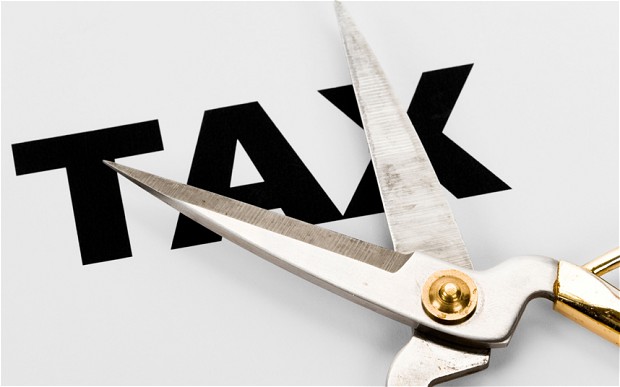
As more people come out in support of scrapping the 40% tax band – or doing something, anything that might alleviate the pinch on middle income earners – David Cameron remains resolutely set against the idea.
This time, it was the turn of one of Cameron’s own No. 10 Policy Board members, Nadhim Zahawi, to advocate for 800,000 people caught up in the fiscal drag which has seen them start paying the 40% rate on their marginal income in the last three years.
The Telegraph reports:
Mr Zahawi on Wednesday praised plans by Renewal, a Tory pressure group, to abolish the 40p rate entirely and deliver a tax cut worth £2,000-a-year for 2 million middle class workers.
Under the proposals, the move would be funded by lowering threshold for the 45p rate from £150,000 to £62,000.
In a speech at Policy Exchange, a think-tank with links to the Conservative Party, Mr Zahawi said: “It is a welcome development that Conservatives have started to seriously debate where next for income tax.
“Labour have the 50p, the Lib Dems have the mansion tax, we need our own iconic tax policy. I think Dave Skelton’s [from Renewal’s] contribution, and his suggestion that we abolish the 40p rate and pay for it by lowering the 45p rate was a great way of starting the conversation.”
Renewal’s plan is not perfect – £62,000 seems far too low to impose what is a very high top marginal rate of 45%, for instance. Nor is the idea of making an ‘iconic’ tax proposal just to have a handy catchphrase with which to compete with Labour and the Liberal Democrats redolent of good policymaking or government.
But this is a problem that affects people up and down the income scale, and the idea of giving some relief to those slightly higher up the scale deserved more than the immediate dismissal that it received from David Cameron. As the Telegraph continues:
Mr Cameron on Wednesday defended the government’s focus on increasing the tax free threshold.
Asked if Tory back-benchers were right to call for the 40p threshold to be raised, Mr Cameron said: “I’m a tax cutting conservative. I want to see us relieve people’s tax burden. We’ve chosen to do that through raising the personal allowance which helps everyone earning under £100,000.”
David Cameron, the tax cutting conservative. It sounds good, but it is hardly an accurate claim.
When Cameron says that “we’ve chosen” to raise the personal allowance, he neglects to admit that this was a Liberal Democrat, not a Conservative policy. Had the LibDems not manoeuvred their way into coalition government, the Conservatives would likely never have entertained the idea of a personal allowance up to or exceeding £10,000. Now that he is also rejecting the idea of doing anything at all about the 40% tax band – either scrapping it or increasing the level at which it applies – he is committed to doing nothing significant for middle income earners either.
This leaves only those who earn enough to qualify for Gordon Brown’s new top rate of income tax, which George Osborne reduced from 50% to 45%. And that is the situation currently faced by the Conservative Party – the only concrete actions of this ‘tax cutting conservative’ party have been to cut the taxes for the very highest earners. This track record is every bit as bad as the optics make it seem.
Ed Miliband and the Labour Party like to talk about the “cost of living crisis”, and they are right to do so. Aside from the fact that there is obvious electoral mileage to be gained, someone needs to talk about the fact that despite the better economic news of late, wages remain stagnant while inflation continues to eat away at purchasing power. Economic growth means absolutely nothing to people if it is not reflected in their own personal circumstances.
At some point soon, people might start realising that another UK economic recovery built on booming property prices alone is unsustainable and undesirable. And when this happens, the focus will turn to consumer spending, and why it isn’t more buoyant.
Perhaps then the foolishness of treating ever more British wage earners as higher rate taxpayers will become more readily apparent.

 Semi-Partisan Politics